Prime Strengths to Assess in a Commercial Electrician for Your Business
Selecting the appropriate business electrical contractor is crucial for any business. Important characteristics such as relevant licenses, demonstrated expertise, and a commitment to safety can greatly impact project outcomes. Clear dialogue and customized approaches also play important roles in fulfilling particular organizational requirements. Recognizing these elements can lead to more informed decisions. What else should companies evaluate when assessing candidate electricians?
Why Correct Licenses and Accreditations Are Necessary
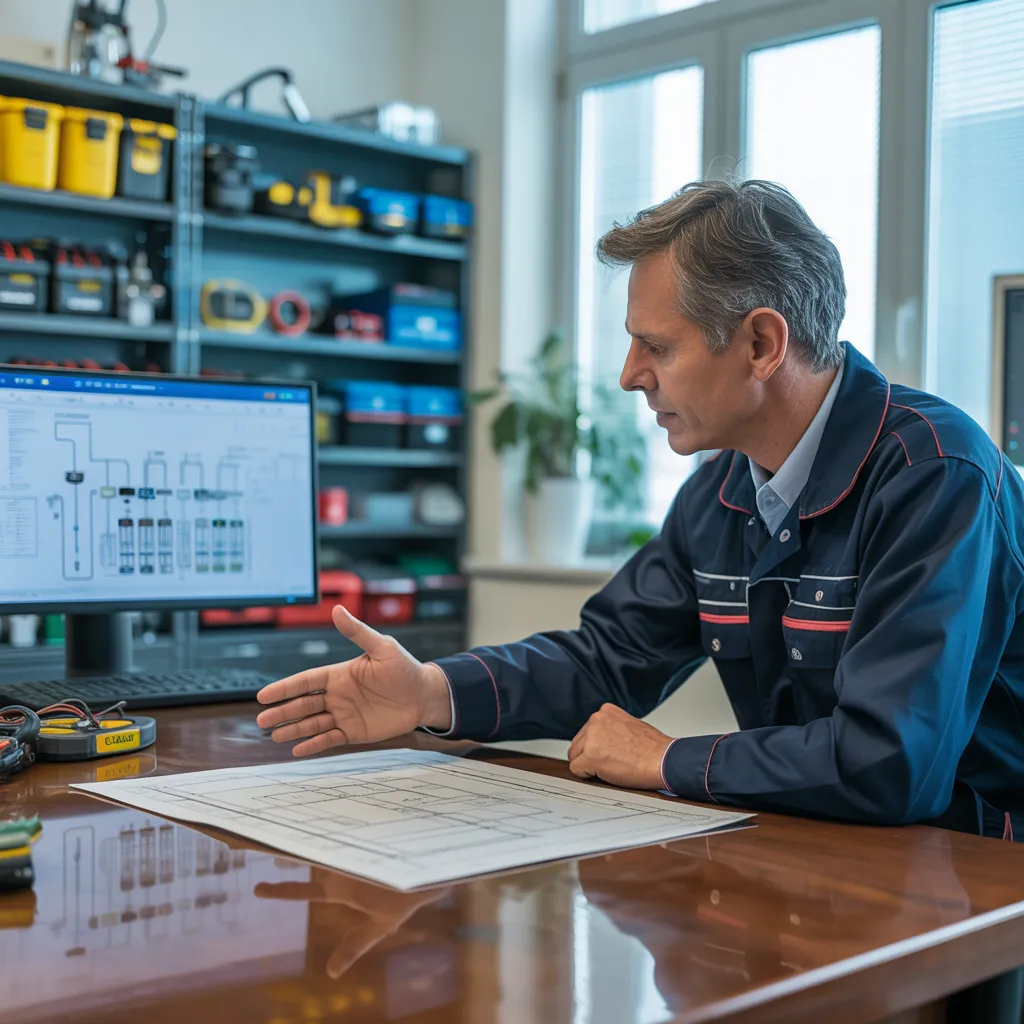
In the sector of commercial electrical work, relevant credentials and qualifications serve as vital markers of a professional's expertise and compliance to sector guidelines. These qualifications guarantee that electricians have the necessary abilities and expertise to handle complex electrical systems securely and effectively. Governing authorities establish rigorous educational courses and tests that electrical technicians must finish to obtain these credentials, reflecting their dedication to optimal standards.
Additionally, licenses often demand continuous professional development, ensuring professionals remain informed of the latest advancements and compliance standards. This continuous learning is vital in a rapidly evolving industry where compliance with safety codes is essential. Businesses and clients can have higher trust when hiring electricians with verified credentials, understanding that they are positioned to reduce hazards and guarantee excellent results. Ultimately, the presence of appropriate permits and certifications not only enhances the standing of commercial electricians but also reinforces the overall safety and integrity of electrical installations.
Verified Proficiency in Enterprise Projects
These professionals are skilled in implementing energy-efficient solutions and adhering to industry regulations, ensuring that projects meet both functional and security requirements. Moreover, their knowledge of diverse commercial structures—ranging from retail spaces to office buildings—positions them to foresee likely problems and deliver tailored solutions.
Assessing an electrician's body of work of earlier commercial undertakings provides invaluable knowledge into their skills in problem resolution and reliability. Ultimately, picking an electrician with proven commercial experience can majorly affect the success and efficiency of a organization's electrical infrastructure.
Prioritizing Safety Standards in Electrical Work
In the domain of commercial electrical operations, prioritizing safety protocols is critical. Compliance with regulations guarantees that all installations fulfill legal requirements, while the selection of superior materials protects against potential hazards. These approaches not only keep workers safe but also strengthen the reliability of electrical systems in commercial settings.
Compliance With Standards
While traversing the complexities of electrical work, a commercial electrician must prioritize compliance with regulations to ensure safety and functionality. Complying with local, state, and national codes is essential, as these guidelines are designed to protect both the public and the property. An experienced electrician understands that failure to comply can result in hazardous conditions, legal repercussions, and costly repairs. Consistent education and updates on regulatory changes are vital for maintaining compliance. In addition, a reputable electrician will possess the necessary licenses and certifications, demonstrating their commitment to industry standards. Ultimately, stressing compliance not only enhances safety but also fosters trust with clients, ensuring long-term success in commercial electrical projects.
Implementation Of High-Grade Materials
The use of quality materials is pivotal in upholding safety standards in electrical work. Those commercial electricians who prioritize the use of high-quality components mitigate risks connected to electrical failures, including short circuits and data fires. Utilizing reliable materials not only improves the durability of electrical systems but also guarantees compliance with safety regulations. Selecting an electrician requires asking about the types of materials they use. Professional electricians committed to quality acquire components from credible manufacturers, ensuring peace of mind for business owners. Moreover, using quality materials shows professionalism and dedication to durability. In the end, businesses emphasizing safety experience lower maintenance costs and a safer workplace for both employees and customers.
Why Excellent Communication Skills Are Important?
How can a professional electrician successfully handle complex projects if they lack excellent interpersonal abilities? Clear communication is crucial for a successful collaboration between electricians, project supervisors, and customers. It ensures that everyone is on the same page regarding project specifications, schedules, and financial limitations.
Electricians must explain technical concepts in a way that laypeople can understand, facilitating informed decision-making. Poor communication can lead to costly delays, safety concerns, or incomplete work. Furthermore, strong interpersonal skills build trust and rapport, establishing a positive working environment that enhances productivity.
Hearing out clients is considerably vital; a qualified electrician must be able to interpret client needs and preferences. This open communication allows for accommodations and addressing of issues throughout the project. Ultimately, excellent communication skills not only facilitate operations but also contribute to overall project success, making them a necessary quality for any commercial electrician.
Providing Personalized Electrical Solutions for Your Business Needs
Comprehending the distinctive power requirements of a company is crucial for any business electrical specialist. Each organization has distinct operational needs, which can differ significantly based on industry, building size, and specific equipment specifications. A skilled commercial electrician recognizes the significance of performing comprehensive assessments to identify these needs, guaranteeing that remedies are not only effective but also economical.
Professional power systems can span across efficient lighting setups to extensive wiring upgrades and specialized installations. By tailoring offerings, electricians can enhance safety, boost power efficiency, and facilitate company expansion. Furthermore, a knowledgeable electrician stays updated on industry regulations and modern innovations, allowing for innovative solutions that meet current standards.
Applying tailored approaches ultimately generates superior productivity and reduced downtime, making it a vital characteristic in a commercial electrician. Enterprises gain considerably from electricians emphasizing bespoke strategies, ensuring that all power systems function harmoniously with business targets.
What Positive Client Reviews Reveal About Your Electrician?
Positive customer testimonials act as a strong sign of an electrician's reliability and skill. When businesses get steady praise for an electrician's work, it reflects not only technical competence but also strong client relations skills. Positive comments often highlights timeliness, professionalism, and effective communication, all essential qualities for a successful commercial electrician.
Additionally, evaluations can offer understanding of the electrician's problem-solving abilities, demonstrating how they handle unexpected obstacles. Customers often mention the quality of workmanship, which is essential for guaranteeing safety over time and adherence with regulations.
Furthermore, a large number of positive reviews can indicate a solid standing within the community, implying that the electrician is relied upon by peers and clients alike. Ultimately, these testimonials function as a valuable resource for businesses seeking to choose wisely when picking the right electrician for their needs.
Regularly Asked Topics
How Do I Check an Electrician's Credentials and Certifications?
To establish an electrician's licenses and certifications, one should reach out to local or state regulatory agencies, examine paperwork supplied by the electrician, and reference digital registries that track licensure status and any disciplinary actions.
What Types of Insurance Proves Essential for a Commercial Electrician?
A commercial electrician should have general liability insurance, workers' compensation insurance, and, if applicable, professional liability coverage. These insurances safeguard both the electrician and the client from potential accidents, damages, and legal claims during projects.
In What Ways Can I Determine an Electrician's Reliability and Punctuality?
To assess an electrical professional's reliability and punctuality, one should review client testimonials, verify background, and observe past completion schedules. Additionally, examining their interpersonal abilities can offer understanding of their dependability and commitment to schedules.
What Are the Average Prices Involved in Contracting a Commercial Electrician?
Typical expenses for engaging a commercial electrician fluctuate based on task complexity, going from $50 to $150 per hour. Extra variables include materials, location, and time sensitivity, with total project estimates often surpassing several hundred to thousands of dollars.
What Duration is Needed for a Commercial Electrical Project to be Finished?
The length of a commercial electrical project typically varies from a few days to several weeks, depending on the project's intricacy, scale, and the efficiency of the team of electricians involved in the work.